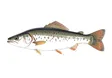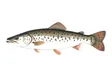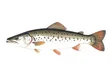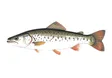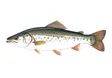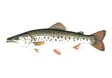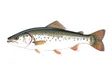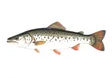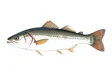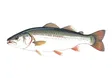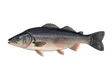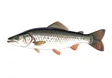
Range and natural history
Large schools have been observed moving with the tide and traveling some distance into brackish habitat. That behavior distinguishes its setting from a strictly inland-lake picture of a sucker. Spawning occurs over gravel and cobble.
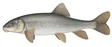
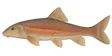
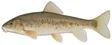
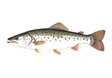
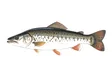
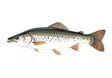
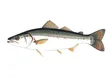
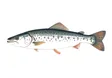
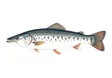
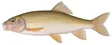
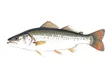
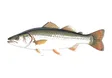
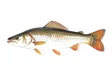
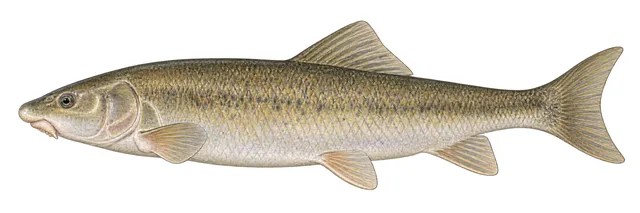
Identification uses a combination of scale counts, dorsal-fin rays, sensory pores, gill rakers and skeletal characters. The body is elongated, but that general shape is shared with many related fishes. The linked summary provides the diagnostic context needed to separate Catostomus tsiltcoosensis from other western suckers.