Reading the names
The two treatments are shown explicitly because the taxonomic boundary affects what can be claimed about this entry. Maine’s landlocked-charr measurements describe that broader management grouping; they are not independently established size or age limits for every fish historically called Salvelinus aureolus.
Sources: Salvelinus aureolus taxonomic report; Arctic Charr species information
Landlocked char appearance and habitat
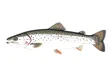
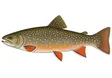
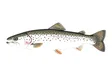
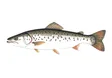
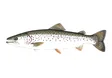
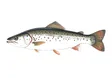
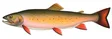
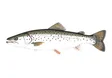
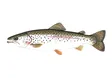
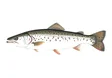
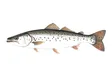
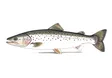
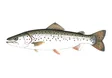
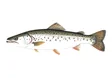
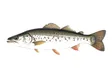
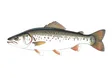
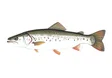
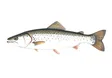
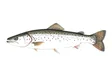
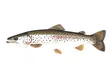
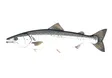
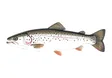
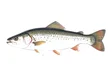
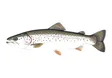
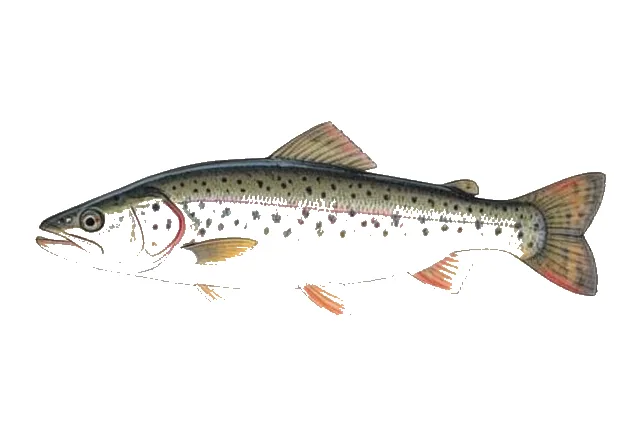
Maine describes landlocked charr as slender fish with pale side spots, a moderately forked tail, and orange to red paired fins with white leading edges. Breeding fish become more colorful. The same account identifies them as coldwater fish that generally favor temperatures below 55°F. These are regional identification clues for the landlocked-charr grouping, rather than a diagnosis separating Sunapee trout from all other chars.
Sources: Arctic Charr species information
Why the history matters
New Hampshire’s educational account links the loss of the original Sunapee trout to introduced lake trout and interbreeding. It also describes transfers to lakes in Maine and Idaho. Historical introductions and surviving landlocked-charr populations should therefore be distinguished from a confirmed surviving original population in Lake Sunapee.
Guide sources
Research reviewed 2026-10-19.
- Salvelinus aureolus taxonomic report — Integrated Taxonomic Information System
- Arctic Charr species information — Maine Department of Inland Fisheries and Wildlife
- Here Today, Gone Tomorrow? educational script — New Hampshire Fish and Game Department