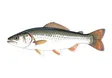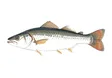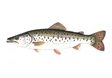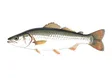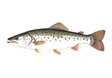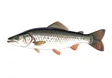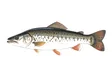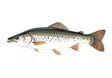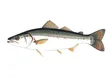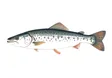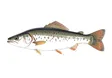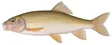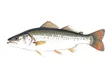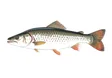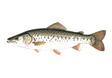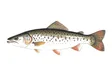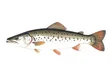
Range and taxonomy
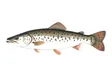
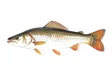
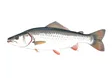
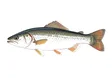
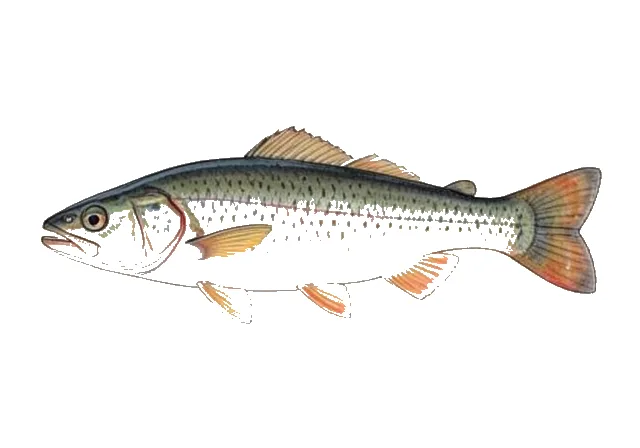
The Canadian assessment places Plains sucker in the upper Missouri drainage of Canada and the United States and in the upper Saskatchewan drainage. Its range includes parts of Alberta, Saskatchewan, Montana, Wyoming, and the Black Hills. The report treats Plains sucker and Cordilleran sucker as separate species; a broad historical mountain-sucker range is not an appropriate substitute for this distribution.
Sources: Plains Sucker and Cordilleran Sucker: COSEWIC assessment and status report 2022
Population differences
The 2022 assessment reports that Plains suckers remain abundant in some streams but documents losses from historical sites in the Black Hills. Abundance there was associated with periphyton, the attached growth that provides food. These are regional findings rather than evidence of a uniform trend across the entire range.
A separate genetic study specifically examines the disjunct Black Hills population. Its focus reinforces the value of keeping isolated populations identifiable in conservation work instead of treating every occurrence as part of one interchangeable stock.
Sources: Plains Sucker and Cordilleran Sucker: COSEWIC assessment and status report 2022; Genetic Structure of a Disjunct Peripheral Population of Mountain Sucker Pantosteus jordani in the Black Hills
Guide sources
Research reviewed 2026-10-19.
- Plains Sucker and Cordilleran Sucker: COSEWIC assessment and status report 2022 — Environment and Climate Change Canada
- Genetic Structure of a Disjunct Peripheral Population of Mountain Sucker Pantosteus jordani in the Black Hills — South Dakota State University / North American Journal of Fisheries Management