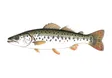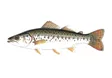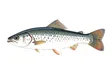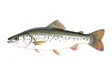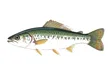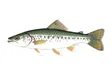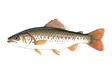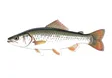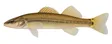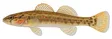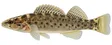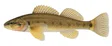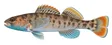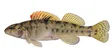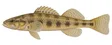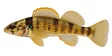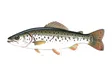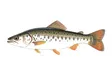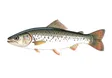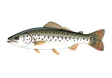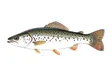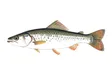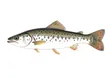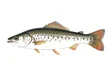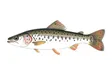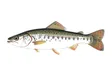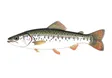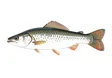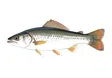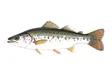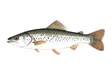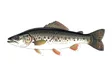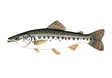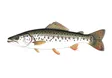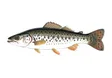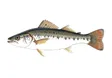
Breeding colors
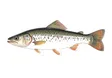
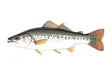
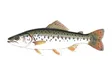
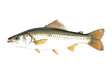
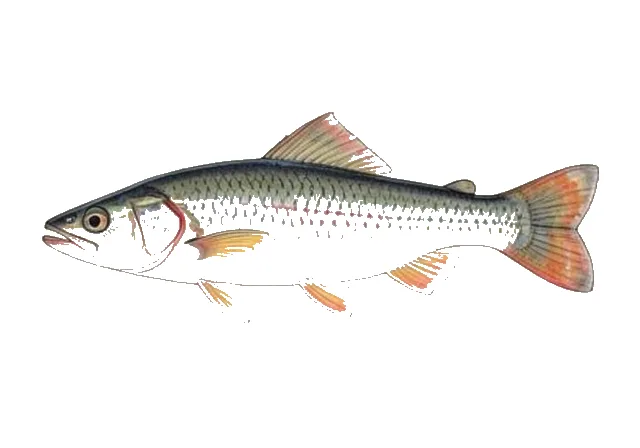
Red lips, bright red spots on the sides and a broad red band in the male’s anal fin help distinguish this species from related greenbreast-group darters. The gill covers bear scales. The state profile calls it Etheostoma chuckwachatte, while this catalog places it in Nothonotus.
Sources: Lipstick Darter
Habitat and spawning
Adults use gravel, cobble and boulders in moderate to swift current. Hillabee Creek observations place spawning from late April to late June, with the greatest activity in May. Adhesive eggs are buried in sand. Aquatic insect larvae are reported food. These seasonal observations refer to the studied population rather than establishing identical timing throughout the drainage.
Sources: Lipstick Darter
Guide sources
Research reviewed 2026-10-19.
- Lipstick Darter — Alabama Department of Conservation and Natural Resources