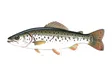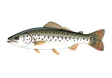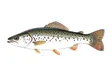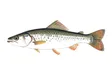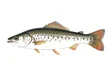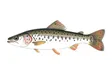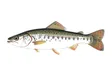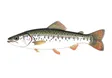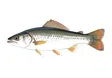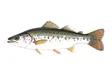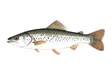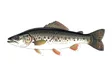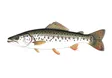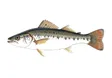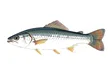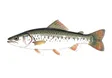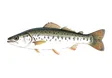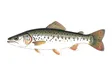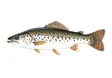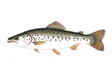
Habitat and size
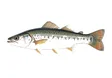
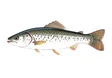
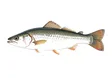
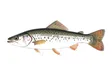
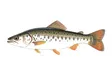
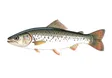
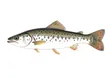
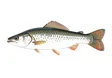
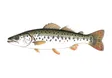
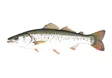
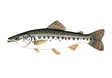
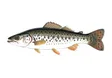
It is most abundant in rocky, spring-fed reaches of the upper drainage and some smaller tributaries. It becomes scarce or absent toward the muddy lower river. The redescription reports an average standard length near 45 mm, with the largest fish around 70 mm; standard length excludes the tail fin.
Sources: Redescription and Recognition of Etheostoma cyanorum from Blue River, Oklahoma
Breeding colors
Breeding males carry yellow to yellow-orange on the cheeks and lower body and a continuous blue outer band across the first dorsal fin. Females are much less colorful. A blunt, downturned snout becomes more pronounced in large individuals, so snout shape alone is not a dependable species character.
Sources: Redescription and Recognition of Etheostoma cyanorum from Blue River, Oklahoma
Guide sources
Research reviewed 2026-10-19.
- Redescription and Recognition of Etheostoma cyanorum from Blue River, Oklahoma — Copeia / Plazi TreatmentBank