Distribution
This widespread species occurs throughout the western Atlantic Ocean, from South Florida and Bermuda, throughout the Caribbean, and along the coasts of Central & northern South America.
Habitat
Adults are capable of dwelling in fresh or saltwater and inhabit tidal creeks, estuaries, mangroves and other coastal waters with salinity ranging from 0.0 to 39.3 ppt. Crested gobies favor mangroves because it uses the extensive underwater roots for shelter and hiding.
Description
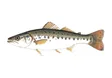
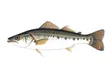
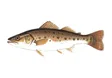
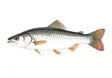
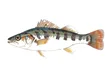
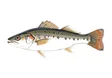
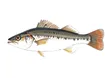
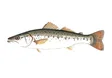
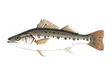
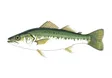
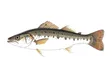
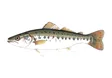
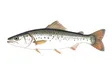
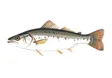
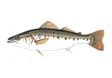
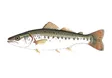
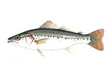
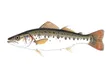
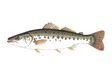
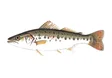
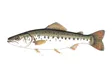
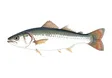
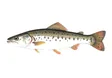
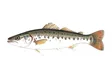
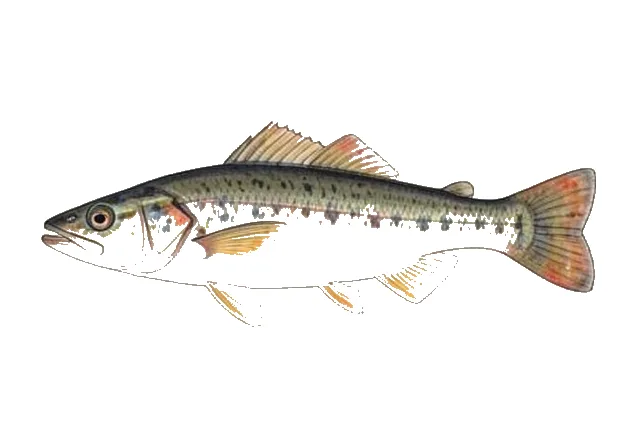
The crested goby is a small but stout fish, reaching a maximum length of 10 cm (3.9 in). Its body appears compressed and a crest extends back from the middle of its eyes. They have six dorsal spines with the fourth spine being the longest, and 16–20 pectoral fin rays which reach beyond the start of the anal fin in adults. The tail is wide and round. Both sexes have reddish-brown to olive mottling along their head and bodies, but those of the males are more extensive and darker in color. The females cheeks are covered with pale spots, also with several
pale lines behind eye, while males have black and orange spots on the first dorsal fin, which change to black and violet during breeding.
Diet
Crested goby feed mainly on algae, but are opportunistic feeders and will take small insects, crustaceans and molluscs.
Reproduction
The vast majority of crested gobies are born females, but some will change to males during their lifespan. Only a small number of individuals are born male; those that are will stay that way for life. Crested goby lay their eggs in rocky areas along the sea bed, where they are secured from being swept away by harsh currents. While they produce a relatively low amount of eggs, crested gobies can breed anytime throughout the year.
Additional field notes
Crested goby use quiet coastal waters across a wide salinity range.
Food and salinity
FishBase describes this fish as an opportunistic feeder taking crustaceans, mollusks, and barnacles, with algae forming the greatest share of food in the account it summarizes. This mixture makes it more than a small-animal predator. Adults occupy tidal creeks and mangroves as well as other quiet coastal settings.
Recorded salinities extend from freshwater to about 39 parts per thousand. These observations show the breadth of occupied conditions; they are not a recipe for changing an aquarium’s salinity. The species is also recorded as a bottom spawner.
Article text: Wikipedia contributors, Lophogobius cyprinoides (source revision). Licensed under CC BY-SA 4.0. Retrieved 2026-10-11.