Pacific Rainbow Smelt

Osmerus dentex

Osmeridae · freshwater and saltwater and brackish water fish

1 minute read · Species guide

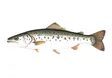
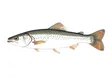
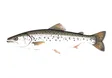
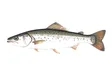
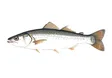
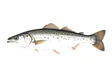
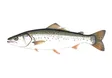
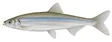
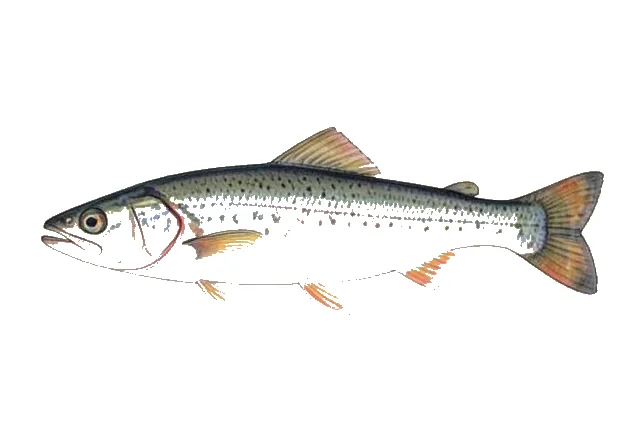
Pacific Rainbow Smelt field guide illustration

About Pacific Rainbow Smelt

Pacific rainbow smelt connect cold coastal water with rivers and lakes across the North Pacific and Arctic. Some populations move between salt and fresh water, while others remain inland.

Range and natural history

Schooling fish use estuaries, lagoons, bays and lakes. In spring, migratory fish enter freshwater streams to reproduce, often spawning in shallow, clear runs over stones and gravel. Coastal fish generally remain near shore rather than making an open-ocean journey.

The diet changes with growth. Young fish take small planktonic animals; adults eat crustaceans, small fish and other animal prey. Feeding declines sharply during spawning. An olive upper body, silvery sides and a small adipose fin help describe the species, but similar smelts require careful identification.

Sources: Osmerus dentex species summary
Guide sources

Research reviewed 2026-10-19.

Range

Where it lives

Share of 65 GBIF observation records with a state location, across 2 states.
0%
95.4%
Share of 65 GBIF observation records with a state location, across 2 states.

Share of records by state

Habitat

Water and movement

Water
WoRMS records this species in fresh water, brackish water and the sea.

Classification

Taxonomy

Kingdom
Animalia
Phylum
Chordata
Superclass
Actinopterygii
Class
Teleostei
Order
Osmeriformes
Family
Osmeridae
Genus
Osmerus
Species
Osmerus dentex
ITIS TSN
162045
WoRMS AphiaID
254557
GBIF key
4283986
Outside the US
ITIS also files it in Canada.

Common questions about Pacific Rainbow Smelt

What is the scientific name of Pacific Rainbow Smelt?
The scientific name is Osmerus dentex, in the family Osmeridae. Classification follows ITIS.
Does Pacific Rainbow Smelt live in fresh water or salt water?
WoRMS records this species in fresh water, brackish water and the sea.
Where has Pacific Rainbow Smelt been recorded in the United States?
GBIF has observations in 2 states, with the most records in Alaska, Massachusetts. The map shows observation records, which do not establish the complete natural range.

Closest relatives

Other Osmerus species

Same family

More Osmeridae