Appearance
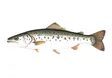
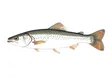
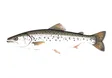
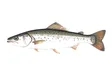
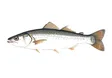
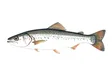
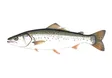
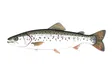
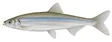
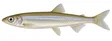
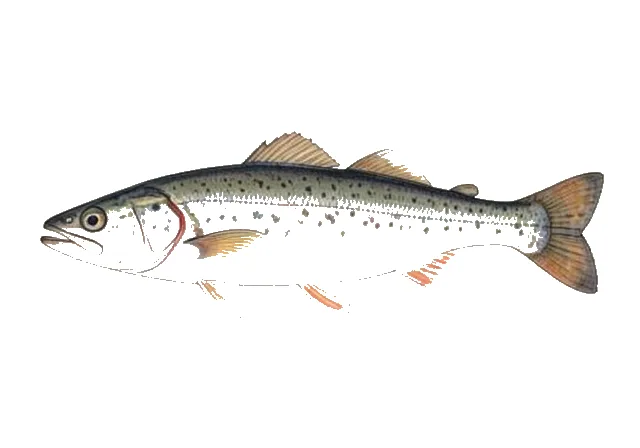
The Canadian identification account describes a slim body, pointed snout, large mouth, forked tail, and a conspicuous fleshy adipose fin behind the dorsal fin. The back is olive green and the sides and belly are silver. Breeding males develop bands of enlarged scales along the sides, giving the body a more angular appearance.
Which capelin?
ITIS recognizes Mallotus catervarius as a valid species and lists Mallotus villosus catervarius as an older combination. Its geographic account includes native occurrences in Alaska and Canada. Literature filed under Atlantic capelin, Mallotus villosus, should therefore be checked before applying its measurements or spawning calendar to Pacific fish.
Surviving after spawning
A 2026 study reports evidence of potential repeat breeding in Pacific capelin. The cautious word “potential” matters: the finding should not be turned into a rule that every fish survives spawning, or that all capelin populations share the same reproductive schedule.
Sources: First Observations of Potential Iteroparity in Pacific Capelin, 2026
Guide sources
Research reviewed 2026-10-19.
- Mallotus catervarius taxonomic report — Integrated Taxonomic Information System
- Fishes of the Pacific Coast of Canada, 1949 — Fisheries Research Board of Canada
- First Observations of Potential Iteroparity in Pacific Capelin, 2026 — Aquaculture, Fish and Fisheries