Identification
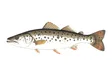
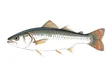
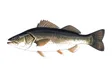
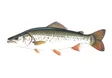
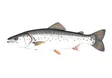
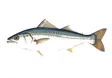
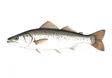
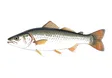
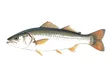
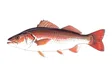
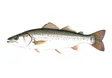
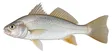
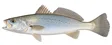
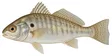
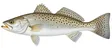
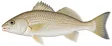
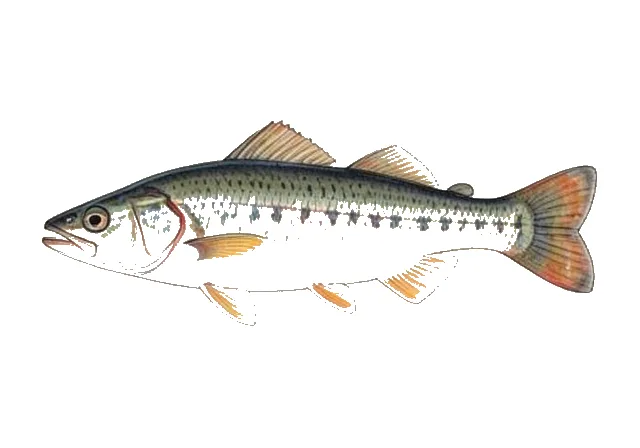
Seven to nine prominent vertical bars cross the grayish olive back, while the underside is silvery white. Lower portions of the pelvic, anal and tail fins may be yellowish. The large mouth points strongly upward and the lower jaw projects. Unlike some other drums, the chin lacks barbels; it instead carries four tiny pores.
Sources: Larimus fasciatus species summary
Habitat and food
Banded drum usually occurs over mud or sandy mud in coastal waters, commonly to about 60 m. Reports extend deeper, but estuarine occurrences are less frequent. Small shrimp form the principal food reported in the source. Its combination of an upturned mouth, barred back and muddy-bottom habitat is more informative than any one feature alone.
Sources: Larimus fasciatus species summary