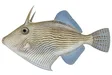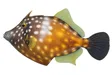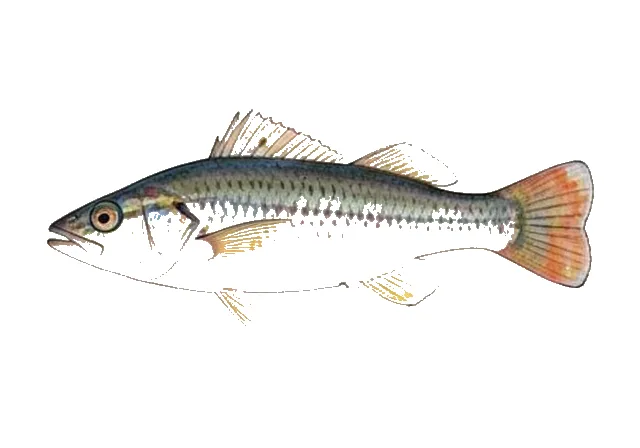
Pygmy Filefish

Stephanolepis setifer

Monacanthidae · saltwater water fish

1 minute read · Species guide

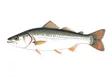
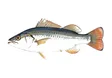
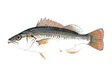
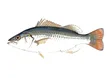
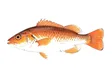
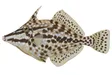
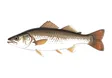
Pygmy Filefish field guide illustration

About Pygmy Filefish

The pygmy filefish often lives around offshore islands and drifting material rather than staying close to a fixed stretch of coast.

Range and natural history

FishBase reports a western Atlantic range from Bermuda and North Carolina through the Gulf of Mexico to southeastern Brazil, with Indo-Pacific records also listed. Juveniles associate with floating seaweed, a habitat that moves with currents and can carry small fish beyond the nearest reef.

The account suggests a diet of plants and small invertebrates but describes that feeding information cautiously. The association with floating seaweed is the more firmly stated natural-history feature. When identifying a juvenile among drifting weed, compare its body and fin characters with related filefishes rather than relying on size alone.
Sources: Stephanolepis setifer species summary

Guide sources

Research reviewed 2026-10-19.

Range

Where it lives

Share of 746 GBIF observation records with a state location, across 10 states.
0%
95%
Share of 746 GBIF observation records with a state location, across 10 states.

Habitat

Water and movement

Water
WoRMS records this species in the sea.

Classification

Taxonomy

Kingdom
Animalia
Phylum
Chordata
Superclass
Actinopterygii
Class
Teleostei
Order
Tetraodontiformes
Genus
Stephanolepis
Species
Stephanolepis setifer
ITIS TSN
173149
WoRMS AphiaID
159500
GBIF key
5213454
Outside the US
ITIS also files it in Mexico.

Common questions about Pygmy Filefish

What is the scientific name of Pygmy Filefish?
The scientific name is Stephanolepis setifer, in the family Monacanthidae. Classification follows ITIS.
Does Pygmy Filefish live in fresh water or salt water?
WoRMS records this species in the sea.
Where has Pygmy Filefish been recorded in the United States?
GBIF has observations in 10 states, with the most records in Florida, Texas, North Carolina. The map shows observation records, which do not establish the complete natural range.

Closest relatives

Other Stephanolepis species

Same family

More Monacanthidae