Field identification notes
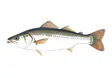
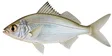
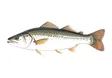
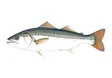
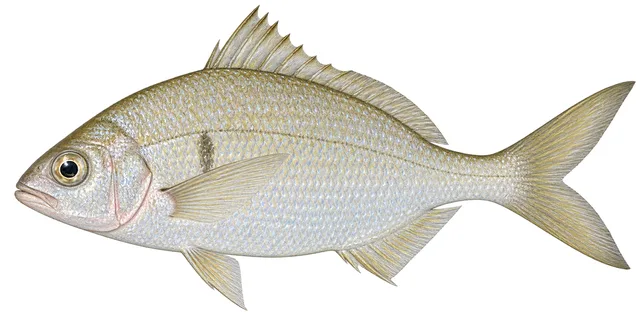
The lower outline of the head is distinctly concave. When extended, the mouth points downward. Large scales cover most of the head and body, and the tail is deeply forked. The Smithsonian describes dark marks along the middle of the side joining oblique bars above them; these may be less obvious than the silver background.
Sources: Eucinostomus gula species account
Habitat and range notes
Vegetated bottoms and nearby open sand are its characteristic setting. The account treats it as an estuarine fish, including hypersaline areas, rather than a freshwater resident. Its regional range extends from Cape Hatteras to Argentina, but the source flags the Gulf and eastern-US population as potentially distinct.
Sources: Eucinostomus gula species account
Feeding and life-history notes
The food categories include small crustaceans, mollusks, and worms from the bottom. Similar-looking juvenile mojarras require care: habitat and a silver body are useful context but do not by themselves establish a species identification.
Sources: Eucinostomus gula species account
Guide sources
Research reviewed 2026-10-17.
- Eucinostomus gula species account — Smithsonian Tropical Research Institute