Scrawled Sole

Trinectes inscriptus

Achiridae · saltwater and brackish water fish

1 minute read · Species guide

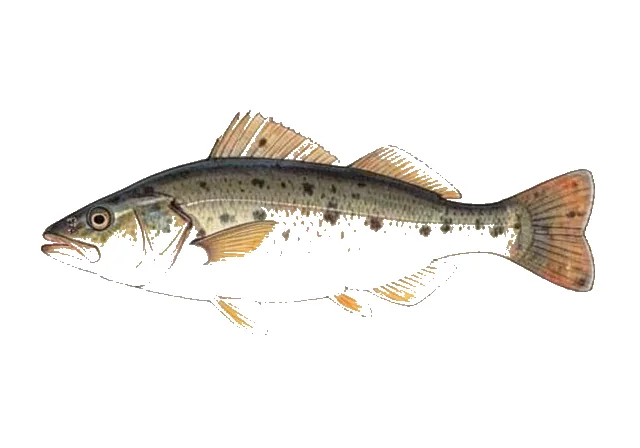
Scrawled Sole field guide illustration

About Scrawled Sole

The scrawled sole is a western Atlantic flatfish recorded from southern Florida and the Bahamas south to Venezuela. FishBase excludes the Gulf of Mexico from that range.

Range and natural history

It occupies sandy and muddy bottoms in clear island waters, bays and mangrove-lined lagoons. Its food consists of invertebrates. The mix of island and continental coastal habitat is broader than the common assumption that soles occur only on open sandy beaches.

The cited account reports maturity after about two years and larger adult females than males. Those features describe population biology rather than a simple way to identify an individual. Locality and flatfish anatomical characters remain essential when separating it from related soles.

Sources: Trinectes inscriptus species summary
Guide sources

Research reviewed 2026-10-19.

Range

Where it lives

Share of 37 GBIF observation records with a state location, across 1 states.
0%
100%
Share of 37 GBIF observation records with a state location, across 1 states.

Share of records by state

Habitat

Water and movement

Water
WoRMS records this species in brackish water and the sea.

Classification

Taxonomy

Kingdom
Animalia
Phylum
Chordata
Superclass
Actinopterygii
Class
Teleostei
Order
Pleuronectiformes
Family
Achiridae
Genus
Trinectes
Species
Trinectes inscriptus
ITIS TSN
172983
WoRMS AphiaID
276000
GBIF key
2408248
Outside the US
ITIS also files it in Caribbean Territories, Mexico.

Common questions about Scrawled Sole

What is the scientific name of Scrawled Sole?
The scientific name is Trinectes inscriptus, in the family Achiridae. Classification follows ITIS.
Does Scrawled Sole live in fresh water or salt water?
WoRMS records this species in brackish water and the sea.
Where has Scrawled Sole been recorded in the United States?
GBIF has observations in 1 states, with the most records in Florida. The map shows observation records, which do not establish the complete natural range.

Closest relatives

Other Trinectes species

Same family

More Achiridae