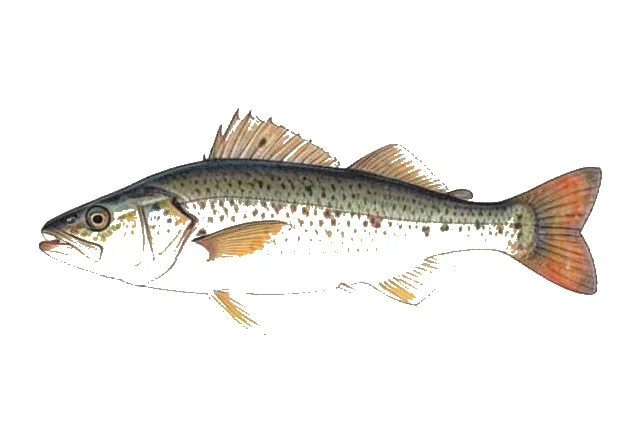
Range and natural history
Its depth use changes with size: larger fish tend to occur deeper. Juveniles move upward into near-surface waters at night, so a nighttime collection may sample a different part of the population than a deep daytime haul.
The diet is largely planktonic crustaceans, especially copepods and euphausiids. Individuals have male and female reproductive tissue simultaneously, lay eggs and produce planktonic larvae. These traits make it a useful example of how a deep-water fish can remain connected to the plankton and to shallower water during part of its life.
Sources: Scopelosaurus harryi species summary