Natural history
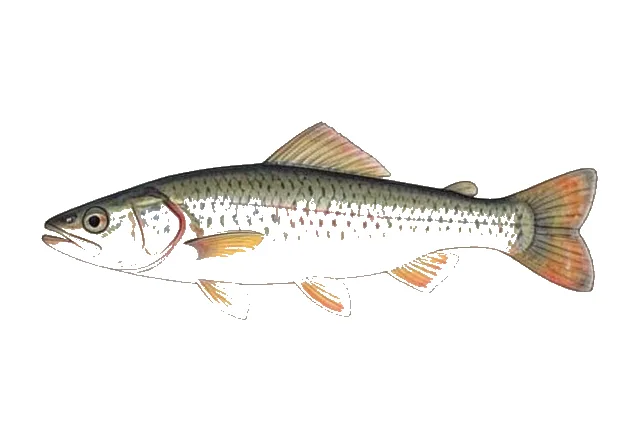
USGS describes occupancy of pools, ponds, streams, and tributaries, together with movement over damp ground between isolated water bodies. This terrestrial mobility helps explain how fish may appear in disconnected pools.
The account reports feeding primarily on insects and young guppies, and jumps as high as 14 centimetres to take prey from vegetation above the water. Its native distribution includes Caribbean-facing Venezuelan drainages and several nearby islands. California records resulted from an introduction thought to involve a fish-farm escape or release.
Sources: Hart's rivulus species profile