Halicampus crinitus

Syngnathidae · saltwater water fish

1 minute read · Species guide

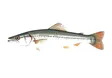
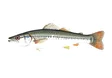
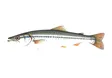
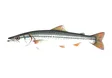
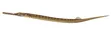
Halicampus crinitus field guide illustration

About Halicampus crinitus

Halicampus crinitus is also known as banded or harlequin pipefish. Current marine databases commonly place it in Micrognathus. Its western Atlantic range includes Bermuda, the Bahamas, southern Florida and Caribbean waters south toward Brazil.

Habitat and appearance

This slender, short-snouted pipefish occurs in pockets of coral rubble on pale sand, often near sea fans. FishBase reports depths of 1–21 m and several different color phases. Color differences have contributed to historical uncertainty over how many species should be recognized.

Sources: Micrognathus crinitus species summary

Male brooding

Males carry the eggs in a brood pouch underneath the tail. This makes male parental care a central part of reproduction. Older names in regional records may include Micrognathus ensenadae as well as Halicampus crinitus, so comparing those records requires checking the taxonomic treatment.

Sources: Micrognathus crinitus species summary

Guide sources

Research reviewed 2026-10-19.

Range

Where it lives

Share of 11 GBIF observation records with a state location, across 1 states.
0%
100%
Share of 11 GBIF observation records with a state location, across 1 states.

Share of records by state

Habitat

Water and movement

Water
WoRMS records this species in the sea.

Classification

Taxonomy

Kingdom
Animalia
Phylum
Chordata
Superclass
Actinopterygii
Class
Teleostei
Order
Gasterosteiformes
Genus
Halicampus
Species
Halicampus crinitus
ITIS TSN
913898
WoRMS AphiaID
310415
GBIF key
2333177

Common questions about Halicampus crinitus

What is the scientific name of Halicampus crinitus?
The scientific name is Halicampus crinitus, in the family Syngnathidae. Classification follows ITIS.
Does Halicampus crinitus live in fresh water or salt water?
WoRMS records this species in the sea.
Where has Halicampus crinitus been recorded in the United States?
GBIF has observations in 1 states, with the most records in Florida. The map shows observation records, which do not establish the complete natural range.

Same family

More Syngnathidae